
Which material creates a more premium brand impression?
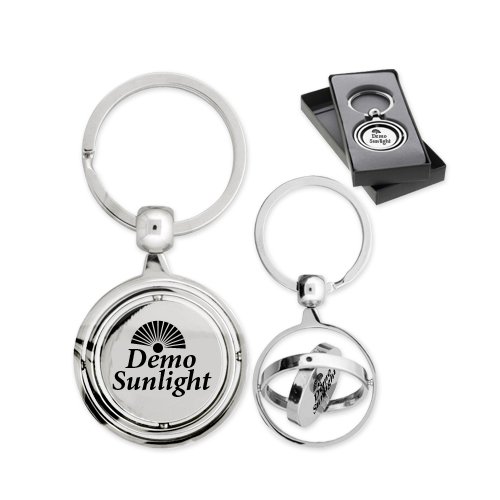
Metal usually reads as more premium. Its weight, shine, and cold-to-touch feel often signal “kept” rather than “thrown away”, which can lift perceived brand quality.
When comparing metal keychain, plastic can still look good, but it is easier to associate with low-cost giveaways. If their brand positioning relies on trust, craftsmanship, or long-term value, metal tends to fit more naturally.
Which one lasts longer in everyday use?
Metal typically lasts longer. It resists cracking, holds its shape, and copes better with being dropped, scraped, or knocked around in a bag.
Plastic can last, but it is more likely to scuff, fade, or snap at stress points over time. If they want the item to stay in circulation for years, metal usually offers a longer brand lifespan.
Which option gives better logo visibility over time?
Metal often keeps branding clearer for longer, especially with engraving, debossing, or enamel fills. Scratches happen, but the mark can remain readable even after heavy use.
Plastic relies more on printing or surface finishes that can wear off. If their logo needs crisp edges and long-term legibility, metal generally performs better.
Which material offers more design flexibility?
Plastic usually offers more freedom in shape and colour. It is easier to produce in bright brand colours, unusual silhouettes, and playful styles that stand out.
Metal can be shaped too, but intricate forms and multi-colour looks can increase costs. If they need bold colour matching or novelty shapes for quick recognition, plastic is often easier.
Which one is more cost-effective for large campaigns?
Plastic is usually the cheaper route at scale. It suits mass giveaways, event handouts, and broad awareness campaigns where cost per impression matters most.
Metal costs more per unit, but can deliver a stronger “keep rate”. If they are distributing fewer items to higher-value prospects, metal can be more cost-effective in outcome, even if the unit price is higher.
Which material is better for specific industries?
Metal often suits brands in property, automotive, finance, hospitality, and premium retail because it aligns with durability and trust. It also fits situations where the keychain is linked to something valuable, like house keys or car keys.
Plastic often suits schools, charities, festivals, youth-focused brands, and community campaigns. It can also work well when the goal is cheerful visibility rather than prestige.
Which one feels better as a customer gift?
Metal tends to feel more gift-like. The added weight and finish can make the recipient feel they received something intentional, not just promotional.
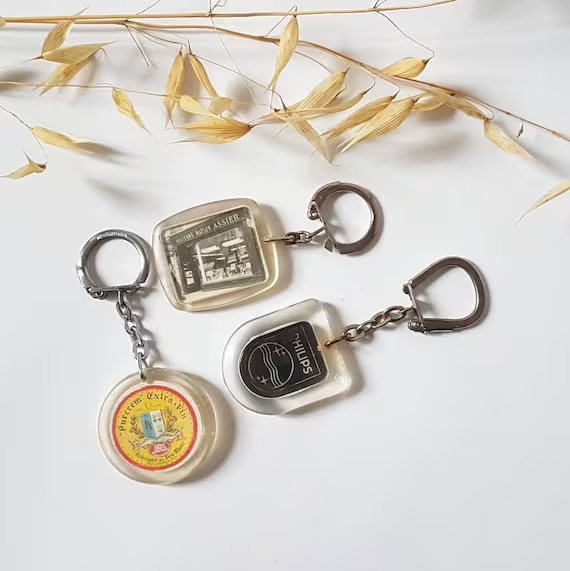
Plastic can still work as a gift when it is well-designed or tied to a fun concept. For customer appreciation where they want gratitude to feel substantial, metal usually carries more emotional weight. See custom keyrings promotional value explained.
Which is more sustainable for brand perception?
Metal can be perceived as more sustainable because it is long-lasting and widely recyclable. A keychain that stays in use for years reduces the chance of becoming immediate waste.
Plastic can be recyclable, but it depends on local systems and the type of plastic used. If their audience is sustainability-minded, metal is often the safer perception choice, especially when paired with minimal packaging.
So, which should they choose for branding?
Metal keychains usually work better when they want a premium impression, long-term use, and branding that stays visible. Plastic keychains usually work better when they need low cost, bright colours, and high-volume distribution.
A simple rule helps: if they want to be remembered for quality, choose metal. If they want to be seen everywhere quickly, choose plastic.
FAQs (Frequently Asked Questions)
Which material creates a more premium brand impression for keychains?
Metal keychains usually convey a more premium brand impression due to their weight, shine, and cold-to-touch feel, signalling durability and quality. They suggest the item is ‘kept’ rather than discarded, enhancing perceived brand value. Plastic keychains, while versatile, often associate with low-cost giveaways and may not align as well with brands emphasizing trust or craftsmanship.
Which keychain material lasts longer in everyday use?
Metal keychains generally last longer as they resist cracking, maintain their shape, and withstand drops or scratches better than plastic. Plastic keychains can scuff, fade, or snap at stress points over time. For brands aiming for long-term circulation and durability, metal offers a longer lifespan.
How does logo visibility compare between metal and plastic keychains over time?
Metal keychains tend to maintain clearer branding for longer periods, especially when using engraving, debossing, or enamel fills. Although scratches may occur, the branding remains readable even after heavy use. Plastic relies on printing or surface finishes that are more prone to wear off, making metal a better choice for crisp edges and long-term legibility.
Which material offers greater design flexibility for branded keychains?
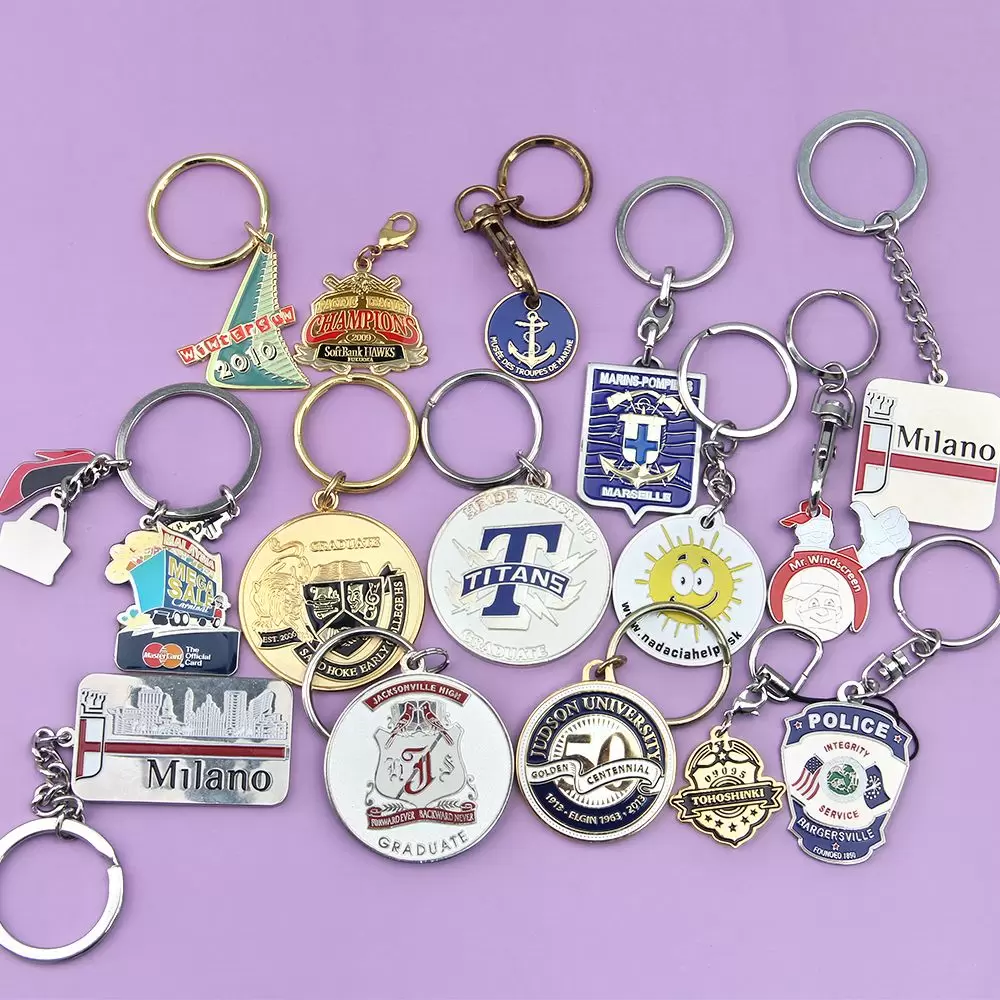
Plastic keychains offer more design flexibility with easier production in bright brand colours, unusual shapes, and playful styles that stand out. Metal can be shaped too but intricate forms and multi-colour designs often increase costs. For bold colour matching or novelty shapes aimed at quick recognition, plastic is typically easier to work with.
What is the cost-effectiveness of metal versus plastic keychains for large branding campaigns?
Plastic keychains are usually more cost-effective at scale, suitable for mass giveaways and broad awareness campaigns where cost per impression matters most. Metal keychains have higher unit costs but can achieve stronger ‘keep rates,’ making them more effective when distributing fewer items to high-value prospects despite the higher price.
Which industries benefit most from metal versus plastic branded keychains?
Metal keychains suit industries like property, automotive, finance, hospitality, and premium retail due to their association with durability and trust—especially when linked to valuable items like house or car keys. Plastic keychains are better suited for schools, charities, festivals, youth-focused brands, and community campaigns where cheerful visibility is preferred over prestige.