
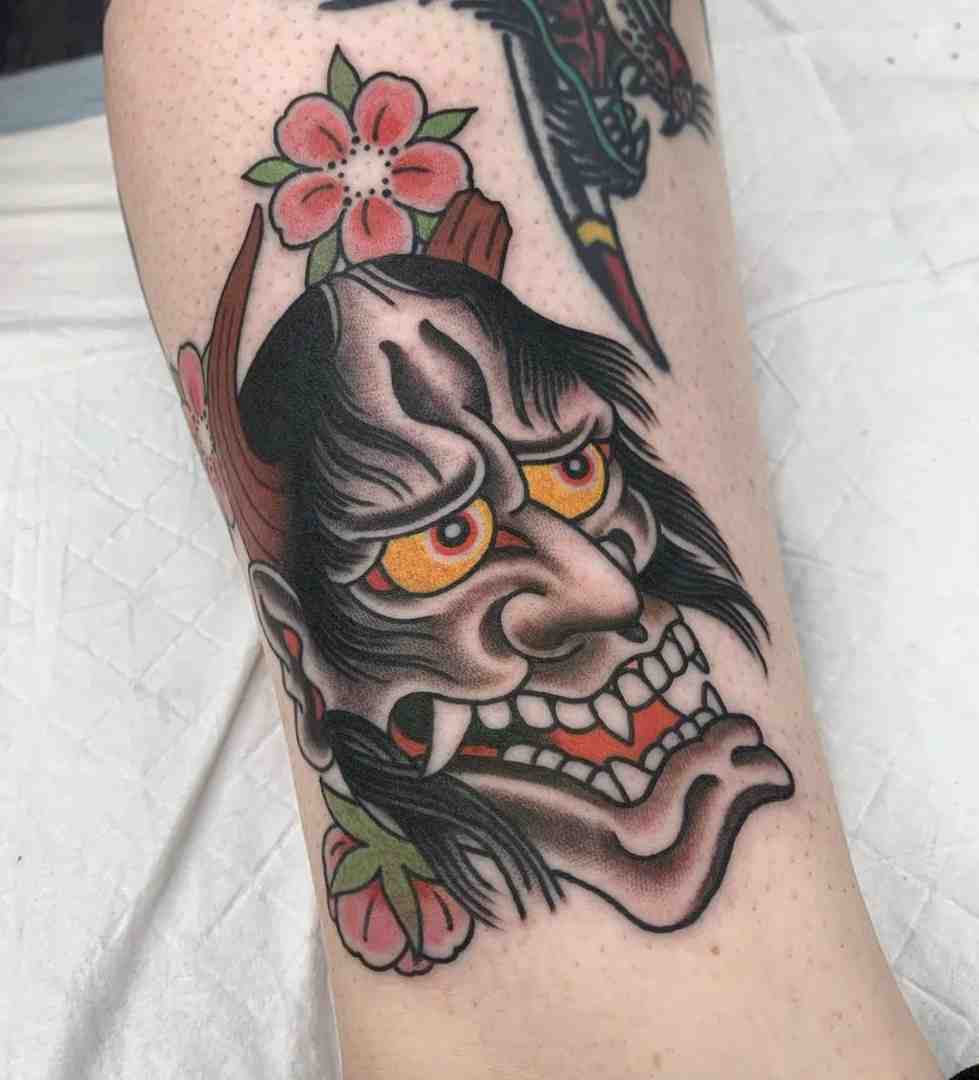
Sydney’s tattoo scene is full of creative energy, with talented artists turning skin into works of art every day. The city’s studios combine traditional skills with modern ideas, making tattoo planning a crucial step instead of an afterthought. Jumping into permanent body art without proper preparation can lead to regret, poor healing, or designs that don’t match your vision.
Planning Your Ink: What to Know Before Choosing Tattoo Places in Sydney requires understanding multiple dimensions of the tattooing process. The difference between a tattoo you’ll treasure and one you’ll question often comes down to the groundwork laid before the needle touches skin.
This guide walks you through every critical aspect of tattoo preparation in Sydney’s vibrant ink community. You’ll discover:
- How to identify tattoo styles that align with your aesthetic vision
- Methods for selecting artists whose portfolios match your desired outcome
- Strategies for planning large-scale pieces across multiple sessions
- Physical and mental preparation techniques before your appointment
- Aftercare practices that protect your investment and promote healing
- Pain management approaches based on body placement
- Timing considerations that affect comfort and recovery
Whether you’re contemplating your first small design or mapping out an elaborate sleeve, the decisions you make before booking determine the quality of your tattoos Sydney experience. The city’s tattoo culture rewards those who approach the process with intention, research, and respect for the craft.
What Tattoo Styles Are Popular in Sydney?
Sydney’s tattoo scene offers an impressive range of tattoo styles Sydney artists have mastered, each with distinct characteristics and visual appeal. The city’s studios showcase everything from bold traditional pieces to delicate fineline work, giving clients countless options for self-expression.
Traditional Tattoos
Traditional tattoos feature bold black outlines, limited color palettes (primarily red, yellow, green, and blue), and iconic imagery like anchors, roses, eagles, and pin-up girls. This style originated from sailor tattoos and remains popular for its timeless aesthetic and strong visual impact. The thick lines age well over time, making traditional work a practical choice for those wanting tattoos that maintain their clarity for decades.
Neo-Traditional Tattoos
Neo-traditional tattoos build upon traditional foundations while incorporating modern techniques. Artists use a broader color spectrum, more intricate shading, and dimensional depth. The style maintains bold outlines but allows for greater detail in subjects like animals, flowers, and portraits. Neo-traditional work suits those who appreciate classic tattoo imagery but want contemporary flair and artistic complexity.
Japanese Tattoos
Japanese tattoos draw from centuries of cultural symbolism and artistic tradition. These designs often feature dragons, koi fish, cherry blossoms, waves, and mythological creatures rendered in specific compositional styles. The aesthetic emphasizes flowing movement, negative space, and storytelling across larger body areas. Sydney artists specializing in this style understand the cultural significance behind each element and can create cohesive pieces that honor traditional Japanese tattooing principles.
Fineline Tattoos
Fineline tattoos use single-needle or small groupings to create delicate, precise imagery. This style excels at botanical illustrations, minimalist designs, small portraits, and intricate geometric patterns. The subtle nature of fineline work appeals to clients wanting understated tattoos or detailed pieces in smaller areas. These tattoos require skilled artists who can maintain consistency in line weight and handle the technical challenges of working with minimal ink saturation.
Choosing Your Style
Your personal aesthetic and the story you want to tell should guide your style selection. Consider these factors:
- Visual preference: Browse portfolios across different styles to identify what resonates emotionally
- Design complexity:
How Should They Choose the Right Tattoo Artist or Studio?
Choosing the right tattoo artist in Sydney involves more than just scrolling through Instagram. The ideal artist can bring your idea to life as a permanent piece of art, so it’s essential to do thorough research before making an appointment.
Why Research Matters Before Committing
Reputable tattoo studios in Sydney have consistent standards for cleanliness, customer service, and artistic quality. Each artist has their own specialties—such as Japanese tattoos or fineline work. By taking the time to research beforehand, you can avoid mismatched expectations and potential disappointment.
Here are some key aspects to consider during your research:
- Online Reviews: Look for feedback on multiple platforms, not just star ratings. Pay attention to comments about cleanliness, professionalism, and how artists handle custom requests.
- Showcase of Work: Established studios often display their portfolio openly and are willing to answer questions about their processes.
- Artist Specialization: Understand each artist’s area of expertise by reviewing their portfolio and website.
Evaluating Tattoo Portfolios Effectively
Tattoo portfolios provide a better understanding of an artist’s skills than any written description. When assessing portfolios, focus on healed tattoos instead of fresh ones—this will give you a clearer picture of color settling and line quality over time.
Here are some specific elements to look for:
- Line Quality: Check for clean, smooth lines without any blowouts or shakiness.
- Shading Techniques: Look for smooth gradients without any patchy areas.
- Color Saturation: Ensure that colors appear vibrant and evenly applied.
- Detail Execution: Examine whether intricate details remain clear even at smaller scales.
- Style Consistency: Assess the artist’s proficiency in their claimed specialty.
Be cautious if an artist only shares fresh tattoos or heavily edited images—this may indicate they are trying to conceal quality issues. During consultations, request to see healed examples specifically related to the style you desire.
The Value of Pre-Tattoo Consultations
Consultations serve as a bridge between your idea and the artist’s technical skills. In these sessions, artists evaluate factors such as placement, size, and design feasibility while you assess their communication style and creative approach.
Here are some topics you can discuss during consultations:
- Design modifications that could improve longevity
- Realistic timelines for complex pieces
- Pricing structure and deposit requirements
- Touch-up policies after healing
Bring reference images with you but also be open to professional suggestions from the artist. Experienced tattooists know how designs age over time, which elements work well on skin, and how body shapes influence composition. They may propose changes such as adjusting line thickness or spacing based on your skin tone and where the tattoo will be placed.
If you’re considering getting your first tattoo, it’s crucial to keep certain first tattoo advice in mind. By conducting thorough research before selecting a tattoo artist or studio in Sydney, you increase your chances of finding someone who can accurately bring your vision to life while maintaining high standards of hygiene and artistry.
What Does Planning a Large Tattoo Involve?
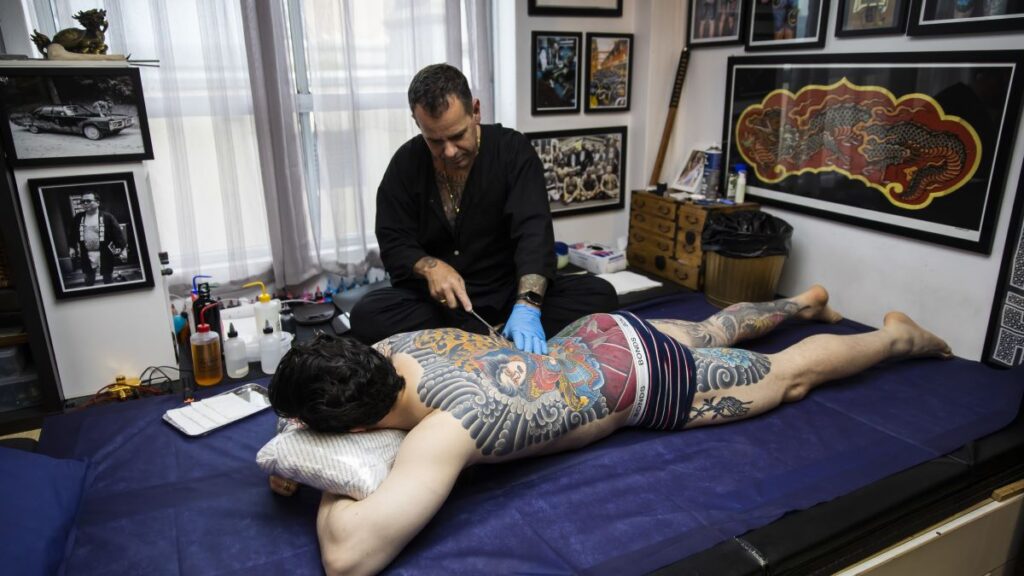
Large tattoos Sydney require strategic planning across multiple dimensions. Pieces like sleeve tattoos or chest designs demand careful consideration of composition, narrative flow, and how the artwork interacts with your body’s natural contours. Unlike smaller tattoos that complete in a single sitting, expansive work needs a structured approach to achieve the depth and detail that makes these pieces truly remarkable.
Breaking Down the Timeline
Sleeve tattoos planning typically spans 15-30 hours of needle time, divided into 3-6 sessions scheduled weeks apart. This spacing allows each section to heal properly while giving you and your artist time to refine upcoming portions. A full chest piece might require similar commitment, with sessions focusing on different anatomical sections—upper chest, sternum area, and side panels each receiving dedicated attention.
The interval between sessions serves multiple purposes:
- Healing integrity: Skin needs 2-4 weeks to recover before additional trauma, which is crucial for the overall success of the tattoo source.
- Design refinement: Artists can adjust upcoming sections based on how previous work settled
- Financial planning: Spreading costs across months makes large-scale projects more manageable
- Pain management: Your body needs recovery time between intensive sessions
Crafting the Visual Story
Chest tattoos design and sleeve compositions function as visual narratives rather than isolated images. Artists approach these canvases with storytelling techniques—establishing focal points, creating movement through the piece, and ensuring elements connect thematically. A Japanese sleeve might flow from shoulder dragons down to forearm waves, with each component supporting the overall mythology.
Your artist will sketch how different elements occupy space across your body’s curves and planes. Shoulders provide natural emphasis points, while inner arms offer opportunities for detailed work viewers discover upon closer inspection. Chest pieces often center around the sternum with symmetrical or asymmetrical designs radiating outward, respecting natural muscle definition.
Color vs Black & Grey Decisions
The choice between color and black & grey fundamentally alters your tattoo’s character and maintenance requirements. Black & grey work offers:
- Timeless aesthetic that ages gracefully
- Subtle shading creating depth through contrast alone
- Typically faster healing with less skin trauma
- Professional appearance in conservative environments
However, it’s important to note that caring for your black & grey tattoo requires specific attention to maintain its integrity.
On the other hand, color tattoos provide:
- Vibrant visual impact and eye-catching appeal
- Ability to convey specific themes or moods through hues
- Potentially longer healing process depending on pigment used
- Greater visibility of imperfections if not properly cared for
How Can They Prepare Properly Before Getting Inked?
Proper tattoo preparation tips start with understanding your body’s pain response and setting realistic expectations. Different body areas have varying nerve densities and proximity to bone, which directly affects discomfort levels during the session.
Understanding Pain Levels by Body Placement
It’s essential to be aware of the pain levels associated with different body placements when preparing for a tattoo.
Bony areas like ribs, spine, ankles, and elbows typically register higher on the pain scale due to minimal fat cushioning and concentrated nerve endings. The chest and sternum can be particularly intense, especially for detailed work requiring extended sessions.
Fleshier areas such as outer arms, thighs, and calves generally offer more comfortable experiences. The forearm and upper arm are popular first-tattoo locations precisely because they balance visibility with manageable discomfort.
Sensitive zones including inner biceps, inner thighs, and areas near the armpit contain thinner skin and more nerve endings. These spots require extra mental preparation even for experienced collectors.
Scheduling Sessions with Adequate Healing Intervals
Healing time scheduling becomes critical when planning multiple sessions or large-scale work. A standard tattoo requires 2-4 weeks for surface healing, though deeper skin layers continue regenerating for up to three months.
For sequential sessions on the same piece:
- Allow minimum 4-6 weeks between appointments
- Extend to 8-12 weeks for heavily saturated color work
- Schedule 3+ months apart if sessions involve significant trauma to the same area
Artists may adjust these timelines based on your skin’s healing response during initial sessions. Rushing between appointments risks scarring, color loss, and compromised final results.
Mental and Physical Preparation for the Session
Physical readiness directly impacts both the tattooing process and healing outcomes. Get a full night’s sleep before your appointment—fatigue lowers pain tolerance and can trigger lightheadedness. Eat a substantial meal 1-2 hours beforehand to stabilize blood sugar levels.
Stay hydrated in the days leading up to your session. Well-hydrated skin accepts ink more readily and experiences less irritation. Avoid alcohol for at least 24 hours prior, as it thins blood and increases bleeding during the tattoo.
What Are Essential Aftercare Practices for Tattoos?
Proper tattoo aftercare Sydney practices determine whether your ink heals vibrantly or develops complications. The first 2-3 weeks are critical for establishing a healthy foundation that preserves color intensity and line clarity for years to come.
Immediate Post-Session Care (First 24 Hours)
Your artist will apply a protective covering immediately after completing your tattoo. Leave this initial bandage on for the timeframe your artist specifies—typically 2-5 hours for traditional wraps or up to 5 days for second-skin adhesive films. When removing the covering, wash your hands thoroughly with antibacterial soap before touching the tattooed area.
Clean the fresh tattoo gently using lukewarm water and fragrance-free antibacterial soap. Pat dry with a clean paper towel rather than a cloth towel that might harbor bacteria. Apply a thin layer of recommended ointment—many Sydney artists suggest unscented products specifically formulated for tattoos. Thick layers of ointment suffocate the skin and delay healing.
Days 2-14: The Critical Healing Window
The healing process tattoos undergo involves several distinct stages. Days 2-3 typically bring the most dramatic changes as your tattoo may appear duller and feel tight. This signals the beginning of the body’s natural healing response.
Essential daily practices include:
- Washing 2-3 times daily with gentle, fragrance-free soap
- Applying thin layers of aftercare product after each wash
- Wearing loose, breathable clothing over the tattooed area
- Avoiding submersion in water (pools, ocean, baths)
- Keeping the tattoo away from direct sunlight
- Resisting the urge to scratch or pick at forming scabs
Managing Scabbing Without Compromising Your Ink
Scabbing typically begins around day 3-5 as part of normal skin regeneration. Light scabbing indicates healthy healing, while thick, raised scabs may signal excessive ointment use or inadequate moisture. Never pick at scabs—this removes ink along with the protective layer, creating patchy areas that require touch-ups.
If scabs feel tight or itchy, you can gently moisturize them with a small amount of aftercare product. However, be cautious not to overapply as excessive moisture can lead to scab breakdown and potential ink loss.
What Should First-Timers Know Before Their First Tattoo?
Starting with a smaller, simpler design allows first-timers to gauge their pain tolerance and understand the tattooing process without committing to hours in the chair. A palm-sized piece or minimalist design provides the full tattoo experience while keeping the session manageable, typically lasting 1-2 hours.
Choosing Your First Design
Simple doesn’t mean meaningless. First tattoo tips Sydney artists often recommend designs with clean lines and minimal shading for debut pieces. These heal faster and give you confidence in the process. Popular starter tattoos include:
- Single-line illustrations or symbols
- Small script or meaningful words
- Geometric shapes or simple florals
- Minimalist animal outlines
Placement matters significantly for beginners. The outer arm, forearm, calf, or shoulder blade offer less sensitive areas compared to ribs, spine, or inner bicep. These locations also allow you to watch the artist work, which many first-timers find reassuring.
Mental Preparation Strategies
The anticipation often feels worse than the actual tattooing. Beginner tattoo advice emphasizes getting adequate sleep the night before and eating a substantial meal 1-2 hours prior to your appointment. Low blood sugar amplifies discomfort and can cause lightheadedness.
Bring distractions like headphones with calming music or podcasts. Many Sydney studios encourage this, as staying relaxed keeps your muscles loose and reduces pain perception. Avoid alcohol for 24 hours before your session—it thins blood and increases bleeding, making the artist’s job harder.
Physical Readiness
Hydrate consistently in the days leading up to your appointment. Well-hydrated skin accepts ink better and heals more efficiently. Moisturize the area daily for a week beforehand, but skip lotion on the actual day of your tattoo.
Wear comfortable, loose clothing that provides easy access to the tattoo location. For arm tattoos, tank tops work well; for leg pieces, shorts are ideal. Avoid tight fabrics that might rub against fresh ink during your journey home.
Understanding the Healing Timeline
Planning Your Ink: What to Know Before Getting Tattoos Sydney requires knowing what happens after
Are Walk-In Tattoos a Good Option in Sydney?
Walk-in tattoos Sydney studios offer immediate availability for those seeking spontaneous ink without advance booking. Several reputable studios across the city accommodate walk-ins during designated hours, though availability varies by day and artist workload.
The convenience factor makes walk-ins appealing for travellers or locals wanting to commemorate a moment without lengthy planning. Studios typically display flash sheets—pre-designed artwork ready for immediate application—allowing quick selection and same-day tattooing.
Which Designs Work Best for Walk-In Sessions?
Minimalist pieces thrive in walk-in settings:
- Small symbols (hearts, stars, arrows)
- Single-word script tattoos
- Tiny geometric shapes
- Delicate linework designs
- Palm-sized flash art
These designs typically require 30 minutes to two hours, fitting comfortably within walk-in time slots. Artists can execute them without extensive customization or multi-session planning.
Flash art collections serve walk-in clients specifically. Studios curate seasonal designs, traditional motifs, and trendy minimalist pieces that don’t require personalization. The standardized nature ensures consistent quality and predictable timing.
What Limitations Should Walk-In Clients Expect?
Custom work rarely suits walk-in appointments. Complex designs requiring detailed consultation, reference gathering, and artistic development need scheduled sessions. Artists cannot dedicate hours to custom drawing while managing walk-in traffic.
Size restrictions apply to spontaneous tattoos Sydney appointments. Most studios limit walk-ins to pieces smaller than a hand’s width. Larger tattoos demand time for stencil application, multiple needle changes, and careful execution that walk-in slots cannot accommodate.
Artist availability fluctuates throughout the day. Popular artists may have limited walk-in capacity, especially during peak weekend hours. Arriving early increases chances of securing preferred artists, while late arrivals might find only junior artists available.
How Can They Maximize Walk-In Success?
Timing strategies improve walk-in experiences:
- Visit weekday mornings for shorter waits
- Call ahead to confirm walk-in availability
- Arrive when studios open for first priority
- Avoid Friday evenings and weekend afternoons
Bringing reference images helps communicate vision quickly. Even for flash
How Do Tattoo Conventions Enhance the Tattoo Experience?
The Sydney Tattoo Convention transforms the entire tattoo journey from a private studio experience into an immersive cultural event. These gatherings bring together over 200 artists under one roof, creating an unparalleled opportunity to witness live tattoo events Sydney has to offer while exploring artistic diversity that would take months to discover studio by studio.
What Happens at the Sydney Tattoo Convention?
Live tattooing dominates the convention floor, with artists working on clients throughout the event. Attendees can watch intricate Japanese sleeves take shape, observe fineline artists creating delicate portraits, or see blackwork specialists building bold geometric patterns in real-time. This live demonstration aspect provides invaluable insight into different techniques and working styles that portfolios alone cannot convey.
The convention showcases completed body suits through dedicated exhibitions, displaying years of collaborative work between artists and collectors. These walking galleries demonstrate how large-scale projects evolve, offering inspiration for anyone planning extensive tattoo work.
Why Should You Book Artists at Conventions?
Direct booking opportunities eliminate the usual wait times associated with sought-after artists. Many international and interstate tattoo artists attend specifically to take appointments, making conventions the rare chance to secure work from creators who don’t regularly operate in Sydney. Artists often bring flash sheets—pre-designed tattoos available exclusively at the event—allowing spontaneous decisions without compromising quality.
Competition segments at these events push artists to demonstrate their skills under time constraints, revealing their technical proficiency and creative problem-solving abilities. Watching these contests helps identify artists whose working style and pressure management align with your expectations for custom work.
What Can You Learn by Attending?
Style exploration becomes tangible when you can compare traditional American work beside Japanese irezumi, neo-traditional pieces next to minimalist fineline. This side-by-side exposure clarifies personal preferences better than scrolling through separated online portfolios.
Vendor areas stock specialized aftercare products, clothing featuring tattoo art, and equipment displays that demystify the tools behind the craft. Educational seminars often run parallel to the main floor activities, covering topics from tattoo history to technical innovations in ink formulation.
The networking environment connects collectors with similar aesthetic interests, creating communities around specific styles or themes. These connections often lead to
What Symbolism Is Commonly Incorporated in Sydney Tattoos?
Sydney tattoo enthusiasts frequently choose designs rich in symbolic meaning, with animal motifs tattoos and cultural symbols leading the trend. These meaningful elements transform body art into personal narratives that reflect values, life experiences, and aspirations.
Tigers: Embodying Protection and Courage
Tiger tattoos represent fierce protection and unwavering bravery in tattoo symbolism Sydney culture. The majestic predator appeals to those seeking to channel strength during challenging life transitions or to honor their warrior spirit. Artists often render tigers in Japanese Irezumi style with bold lines and vibrant colors, or as realistic portraits showcasing intricate fur details and piercing eyes that capture the animal’s raw power.
Koi Fish: Swimming Against the Current
Koi fish symbolize perseverance and determination, drawing from the Japanese legend where koi swim upstream to transform into dragons. Sydney clients choose this motif to commemorate personal struggles overcome or ongoing journeys requiring resilience. The design’s versatility allows for stunning full-color pieces with orange, white, and black scales, or elegant black and grey compositions that emphasize the fish’s graceful movement through water.
Lotus Flowers: Rising from Muddy Waters
The lotus flower represents purity, spiritual awakening, and rebirth—emerging pristine from murky depths. This symbol resonates deeply with individuals who’ve experienced personal transformation or spiritual growth. Tattoo artists in Sydney often incorporate lotus blooms into larger compositions, pairing them with mandalas for meditative designs or positioning them as standalone pieces on forearms, shoulders, or backs.
Snakes: Shedding Old Skins
Snake imagery captures the essence of transformation, renewal, and healing. The serpent’s ability to shed its skin mirrors personal evolution and letting go of past identities. Sydney tattoo collectors appreciate snakes for their dynamic visual appeal—coiling around limbs, wrapping through floral elements, or striking dramatic poses. The design works beautifully in both bold traditional styles and delicate fineline approaches.
Hannya Masks: Balancing Light and Dark
Hannya masks from Japanese Noh theatre embody duality, representing jealousy and sorrow while acknowledging the complexity of human emotion
How Can They Manage Pain During Tattoo Sessions?
Pain levels vary significantly depending on where the tattoo is placed on the body. Areas with more nerve endings and less cushioning—like the ribs, spine, chest, and inner arm—typically cause more discomfort than fleshier spots such as the outer arm, thigh, or calf.
Pain Expectations by Body Placement
High Pain Areas:
- Chest and sternum (bone proximity and sensitive skin)
- Ribcage (minimal fat padding)
- Inner bicep and elbow ditch
- Feet and ankles (thin skin over bone)
- Neck and behind the ears
Moderate Pain Areas:
- Outer arm and shoulder
- Forearm
- Upper back
Lower Pain Areas:
- Outer thigh
- Calf
- Upper outer arm
The sensation differs from person to person based on individual pain tolerance. Some describe it as a scratching feeling, while others compare it to a burning or stinging sensation that intensifies over longer sessions.
Mental Preparation Techniques
Breathing exercises help manage discomfort during tattooing. Deep, controlled breaths activate the parasympathetic nervous system, reducing stress responses. Counting breaths or focusing on a specific breathing pattern distracts the mind from pain signals.
Meditation and visualization techniques create mental distance from physical sensations. Picturing a calm environment or focusing on the finished artwork redirects attention away from the needle. Many clients find that bringing headphones and listening to music or podcasts provides effective distraction.
Getting adequate sleep the night before and eating a proper meal before the session stabilizes blood sugar and prevents lightheadedness. Dehydration amplifies pain perception, so drinking plenty of water in the days leading up to the appointment is essential.
Physical Comfort Strategies
Taking scheduled breaks during longer sessions prevents pain from becoming overwhelming. Most Sydney artists encourage clients to speak up when they need a moment to reset. These pauses allow the body to release built-up tension and give the mind a chance to refocus.
Some studios discuss numbing creams for tattoos during consultations, though artist preferences vary. These topical anesthetics can reduce surface-level discomfort but may affect how the skin takes ink.
For those seeking additional relief options, exploring various tattoo pain relief strategies can be beneficial.
Why Does Seasonality Matter When Scheduling a Tattoo?
Does Sydney’s weather actually affect tattoo healing? Yes, seasonal conditions significantly impact both the healing process and your comfort during aftercare. The best time to get tattooed in Sydney is during cooler months (autumn and winter) when temperatures are moderate and you’re less likely to sweat excessively or expose fresh ink to harsh sun.

Weather Impact on Healing
Sydney’s summer heat creates challenging conditions for new tattoos. Sweating can irritate fresh ink and increase infection risk, while intense UV rays threaten to fade colors before the tattoo has properly healed. Swimming season also overlaps with summer, making it harder to avoid pools and beaches—both strictly off-limits during the initial healing phase.
Winter offers natural advantages for seasonal tattoo care Sydney. Cooler temperatures reduce sweating, and clothing naturally covers most tattoo placements, providing protection from sun exposure and accidental bumps. The dry winter air does require diligent moisturizing, but this is easier to manage than summer’s combination of heat, humidity, and sun.
Clothing Considerations
The season directly affects what you can comfortably wear during healing. A fresh shoulder or leg tattoo in summer means avoiding tight clothing and dealing with fabric sticking to healing skin. Winter allows for loose, breathable layers that protect the tattoo without restriction.
Spring presents a middle ground—mild temperatures and moderate sun exposure. This season works well for those who want to show off healed tattoos by summer. Plan to get inked at least 4-6 weeks before beach season begins, giving your tattoo time to heal completely.
Lifestyle Factors
Consider your seasonal activities when booking. Summer schedules often include beach trips, outdoor sports, and pool parties—all incompatible with fresh tattoos. Winter’s indoor-focused lifestyle naturally supports the aftercare routine of keeping tattoos clean, moisturized, and protected.
Sydney’s autumn (March-May) ranks as an ideal window: temperatures drop, sun intensity decreases, and you’re less likely to engage in water activities. This timing allows tattoos to heal before winter dryness sets in or summer heat arrives. See more to get the ultimate guide to getting your first tattoo Sydney.
Conclusion
Getting a tattoo in Sydney is more than just adding artwork to your skin—it’s about creating a permanent piece that tells your story. The city’s vibrant tattoo scene offers countless opportunities to find the perfect artist, style, and design that resonates with your vision.
Planning your ink requires attention to multiple elements working together:
- Research artists whose portfolios align with your aesthetic preferences.
- Book consultations to discuss your ideas and ensure the design captures your intended meaning.
- Consider how placement affects both pain levels and healing, then schedule sessions during seasons that support comfortable aftercare.
The journey from concept to completed tattoo demands patience:
- Large pieces need multiple sessions spaced appropriately for healing.
- First-timers benefit from starting smaller to understand their pain tolerance and the healing process.
- Walk-in appointments suit spontaneous minimalist designs, while custom work deserves dedicated booking time.
Sydney’s tattoo community provides exceptional resources:
- Conventions showcase diverse artists and styles, offering inspiration and direct booking opportunities.
- Local studios maintain high hygiene standards and employ skilled artists across every style—from traditional Japanese to contemporary fineline work.
Your preparation determines your satisfaction:
- Understanding symbolism helps create meaningful designs.
- Following aftercare instructions ensures your tattoo heals vibrantly.
- Mental and physical readiness makes sessions more manageable.
These elements combine to transform your vision into lasting body art you’ll treasure.
The right planning turns getting tattoos Sydney into a rewarding experience rather than a regrettable impulse. Take time to research, prepare thoroughly, and choose artists who understand your vision. Your skin deserves artwork that reflects careful thought and professional execution.