
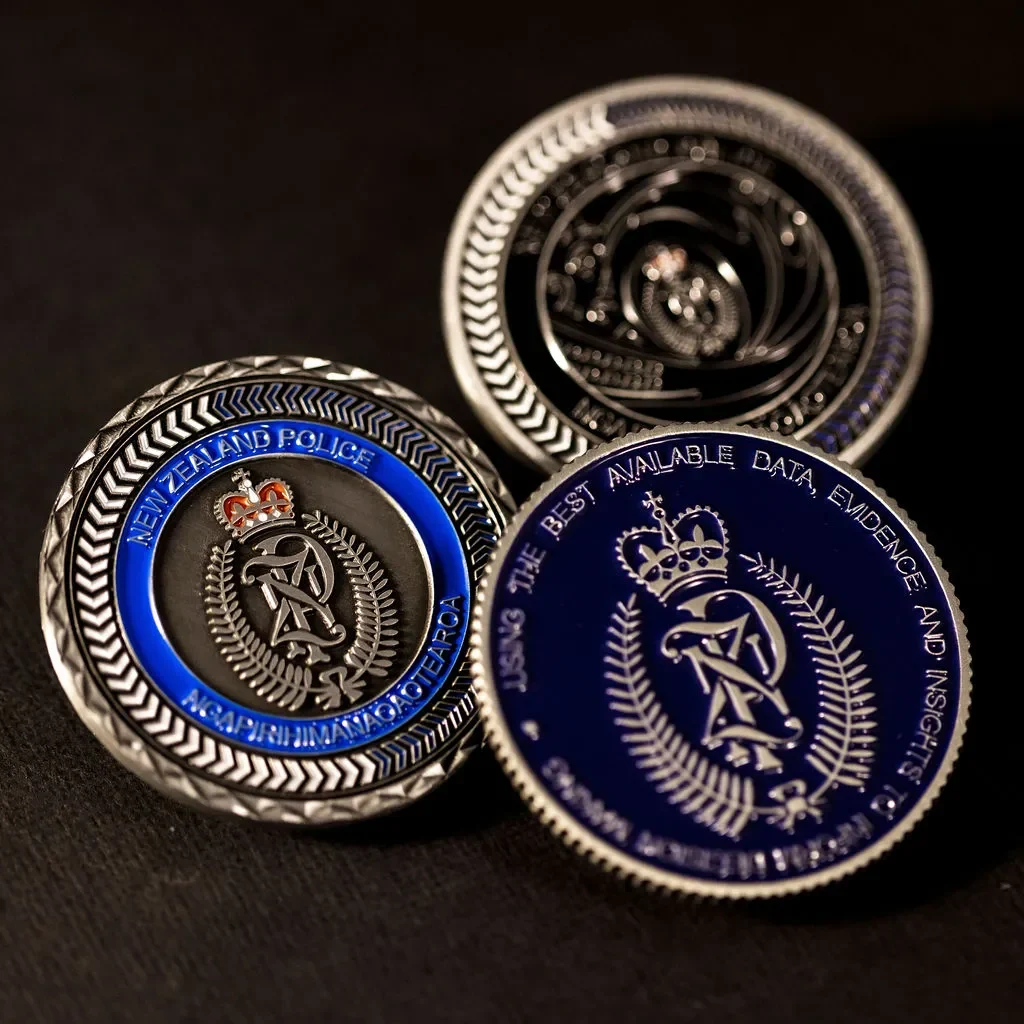
The art of creating custom coins is not only about minting metal; it’s a process that tells stories, captures heritage, and celebrates milestones in a truly tangible way. The world of custom coin design has evolved over the years, branching into commemorative tokens, corporate branding pieces, and even personalized memorial coins. With global market expansions and innovative design techniques, there’s never been a better time to explore how these coins come to life.
Understanding the Purpose of Commemorative Coins
The Cultural and Historical Significance
Custom Coins have long been positioned as more than simple instruments of exchange. They strategically encapsulate milestones, honours, and historically significant moments. Communities and organisations routinely commission Custom Coins to commemorate key anniversaries, notable achievements, or culturally relevant events that deliver strong emotional resonance and long-term value for both collectors and recipients.
These coins act as a physical embodiment of shared experiences and treasured memories. From the memorable commemorative programmes of the U.S. Mint, such as their past homage to Negro Leagues Baseball and the National Purple Heart Hall of Honour, design aesthetics are carefully crafted to echo legacy and history.
The intimate connection between the design and its intended message is the cornerstone of commemorative currency. This enables each coin to serve not merely as a financial asset, but as a cherished token linking individuals to a larger narrative.
Celebrating Personal and Corporate Milestones
The trend in issuing customised commemorative coins continues to widen, particularly within corporate and community sectors. Businesses utilise these bespoke mementos to mark important milestones and build a lasting brand identity. The physical design of the coin becomes intertwined with the corporate ethos or the community’s larger values, strengthening interpersonal relationships.
Companies, institutions, and even sporting organisations have been quick to adopt these tokens as a means of recognition. Customisation infuses personalisation through selected imagery, unique inscriptions, and design elements that truly stand out. In this way, every coin is uniquely tailored, celebrating everything from boardroom victories to local heritage events.
Notably, customised commemorative coins serve as both a marketing tool and a collector’s item, driving consistent engagement and long-term interest. Their appeal lies in transforming an everyday metal disc into a piece of art laden with meaning and pride.
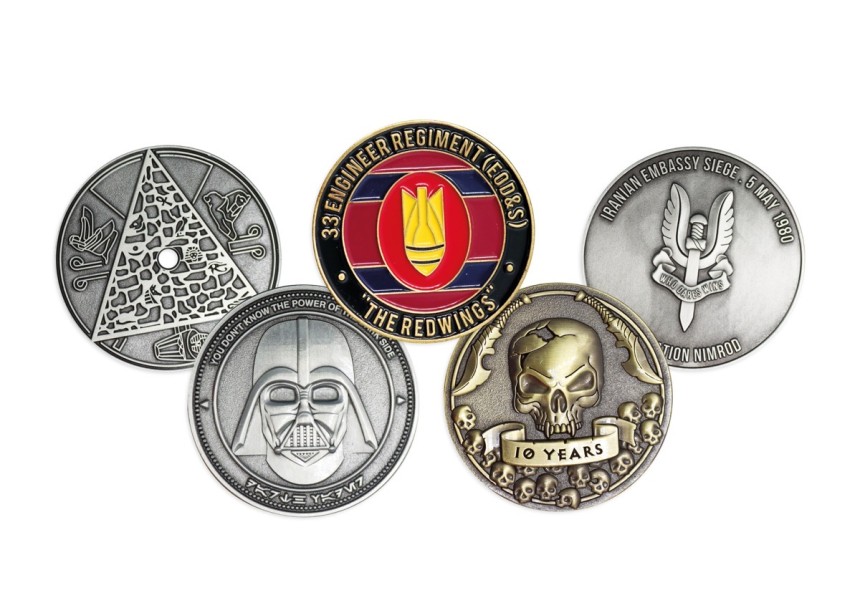
The Intricate Process of Custom Coin Design
Concept and Ideation
Design begins with a clear understanding of the purpose behind the coin. Designers work closely with stakeholders to explore the symbolism behind the event or achievement being commemorated. This ideation phase is crucial, as it lays the foundation for all design choices that follow.
During concept development, every detail is weighed carefully. The design process involves sketching preliminary drafts, frequently referring to historical documents, photographs, and thematic elements that encapsulate the essence of the occasion. At this stage, input from historians, artists, and corporate representatives is invaluable.
Integrating cultural, historical, and personal elements enables the designer to create a unique narrative. As a result, each coin not only celebrates an event but also tells a broader story that resonates on a personal and communal level.
Design Techniques and Technology
Modern technology has significantly expanded the possibilities in coin design. With advancements in computer-aided design (CAD) and 3D modelling, the process of creating intricate and precise designs has become more efficient than ever. Detailed visualisations ensure that every groove and engraving is rendered with exactness.
Historically, hand-drawn sketches formed the basis of early designs. Today, digital platforms allow for detailed iterative processes where each revision can be examined under magnification. This precision is what allows for special features, such as curved coin designs popularised by the National Baseball Hall of Fame coin of 2014.
Alongside CAD, modern minting techniques such as proofing and high-relief modelling further enhance the tactile quality of commemorative coins. The integration of technology into traditional minting methods results in designs that are not only visually appealing but also durable and of a high collectible value.
Material Selection and Finishing Touches
The choice of material plays a pivotal role in the final outcome of the custom coin. The minting industry uses a variety of metals, including gold, silver, and copper alloys, each offering unique properties in terms of both aesthetics and durability. The selection is based on the coin’s purpose and the message it is intended to convey.
After deciding on the material, the finishing touches are applied with precision. Technologies such as laser engraving and chemically-treated patinas allow for intricate detailing that can highlight specific features of the artwork. These finishing techniques not only enhance the visual appeal but also add a layer of protection against wear over time.
This stage is integral in ensuring that the coin withstands the test of time, both as a collector’s piece and a commemorative token. It combines art with science, yielding coins that serve as timeless keepsakes for generations.
Key Considerations in Customising Commemorative Coins
Tailoring the Design to the Occasion
Every commemorative coin is designed with a specific occasion in mind. As observed through industry experts, custom commemorative coins allow for a tailor-made approach where design elements are carefully chosen to mirror the landmark event. The themes can range from celebration of sporting events to the marking of significant historical milestones.
Special symbols, imagery, and even colour profiles are integrated to create a coherent design narrative. In essence, the coin becomes a distilled representation of the event’s spirit. This custom approach is highly relevant, as the coin not only functions as recognition but also as a cherished memento with long-lasting sentimental value.
The role of tailored messaging cannot be overstated. The chosen text often carries a double entendre-conveying both the factual details of the occasion and the ethos behind the celebration. This dual-purpose messaging is achieved with careful typography and layout design, ensuring the coin resonates with its audience.
Ensuring Collector Appeal and Market Value
Collectors appreciate detail, authenticity, and rarity. This is precisely why the process of designing commemorative coins involves significant input from experts familiar with the collectible market. Decisions on minting volume, finishing techniques, and presentation packaging are made with both the immediate audience and long-term preservation in mind.
A well-designed commemorative coin may even become a sought-after piece in numismatic circles, appreciating in value over time. As the coin grading service market grows-projected to reach a valuation of $2.8 billion by 2033-the emphasis on optimal design and quality is paramount. Expert insights suggest that these elements significantly drive collector interest and long-term market value.
The careful balance between aesthetics and market demand is maintained with impressive attention to detail. Although each coin tells its own story, it must also align with the expectations of collectors and enthusiasts who appreciate the intrinsic value added by premium minting practices and innovative design.
Local and Global Influences on Design Trends
Design trends in custom coins are increasingly influenced by both local cultural narratives and global market dynamics. In Australia, for instance, there is a growing admiration for bespoke designs that reflect the local heritage and natural beauty of the region. This local flavour is often combined with modern technology to produce coins that are distinct yet universally appealing.
Global market statistics highlight robust growth figures, with the custom coin minting industry expanding significantly. As cultural exchange continues, the use of internationally recognised symbols alongside local design motifs has created coins that are truly global in appeal. The fusion of such influences speaks to the diversity and dynamism of commemorative coin design in today’s marketplace.
The industry benefits from a melding of traditional craftsmanship and contemporary design, ensuring that each coin represents a lasting legacy. As global trends continue to evolve, designers remain adaptive, creating pieces that encapsulate both timeless tradition and innovative flair.
The Role of Technology in Modern Coin Crafting
Innovative Design Software and Tools
Software tools have revolutionised the way custom coins are designed. Expert designers now utilise advanced computer programmes that allow them to experiment with intricate details and complex textures in real time. This iterative process usually involves multiple stages, from rough sketches to detailed digital renderings.
The use of such tools not only streamlines the design process but also ensures that errors are minimised early on. High-definition visualisation means every element of the coin, from the smallest engraving to the broader iconography, is crafted with high precision. This results in records of the design evolving seamlessly from concept to final polish.
Thanks to these advancements, designers can now incorporate elements such as embossed reliefs and micro-engraved details that previously would have been impossible. The final output is a product that vividly captures both the spirit and the fine aesthetics associated with commemorative coins.
3D Printing and Rapid Prototyping
3D printing has taken the tradition of coin-making into a new era. Rapid prototyping allows designers to produce physical models of their coins, offering tangible previews before final production. This aspect is crucial in fine-tuning both the design details and the overall feel of the coin.
Prototyping helps iron out any technical challenges early, whether it’s related to clarity of the inscriptions or the depth of the relief. The opportunity to hold a prototype in hand provides designers and stakeholders with invaluable feedback, ensuring the final design meets high quality standards.
This technology bridges the gap between digital design and physical production, leading to coins that are both beautifully crafted and technically robust. The agility provided by rapid prototyping accelerates the design cycle while maintaining high-quality standards that collectors appreciate.
Enhancing Security and Authenticity
In today’s market, ensuring the authenticity of a commemorative coin is paramount. Advanced minting techniques incorporate security features such as microtext, unique serial numbers, and holographic elements that safeguard against counterfeiting. These measures enhance the value and trustworthiness of the item.
Modern design tools also enable the creation of designs that can integrate these security aspects seamlessly. A coin’s design is not solely for aesthetic appeal-it also plays a role in verifying its legitimacy, especially important in a market where authenticity is closely linked to collector confidence.
This dual-purpose approach in design and technology ensures that commemorative coins are both works of art and verified collectibles. The marriage of style with security adds significant market value and longevity to each piece.
Seasonal Trends and Market Insights
Understanding Consumer Demand Patterns
Market research reveals that consumer interest in custom coin designs often follows seasonal patterns. Analysis of Google search data shows distinct peaks in demand, particularly around recognition events and commemorative milestones. This indicates that coins are more than tokens-they are celebrations timed with societal events.
The heightened interest in periods such as late summer embraces themes of achievement and the celebration of anniversaries. Designers and minting houses capitalise on this seasonal demand by aligning their design releases with these key periods. When tailored responsibly, these launches drive robust engagement and a surge in collector interest.
Businesses and commemorative programmes are especially mindful of these trends. Strategic timing allows them to target the season when their audience is most receptive, thereby maximising both impact and market presence. As seasonal fluctuations influence the market, they tend to elevate the overall profile of commemorative coins.
Global Market Growth and Future Projections
The custom coin minting industry has come a long way from its traditional roots, evolving into a modern market valued at billions globally. Recent industry reports forecast a growth rate of up to 9.7% from 2025 to 2033, signifying a continued rise in demand for these unique tokens.
This growth is driven by several factors, including increased corporate buy-in, heightened interest in personalised memorabilia, and advancements in minting technology. With projections indicating substantial annual increases, it is clear that the market for commemorative coins is expanding well beyond the confines of traditional military or governmental recognition.
As global appreciation for arts and collectibles continues to grow, the custom coin market is poised to capture a steadily expanding audience. Such trends encourage designers and mints to push boundaries further, combining aesthetic brilliance with technical innovation to maintain relevance in an evolving marketplace.
Impact on Numismatic Culture
Numismatics is more than just a hobby; it’s a passion that ties collectors to history and craftsmanship. Custom commemorative coins deliver a deeply personal experience, linking collectors to specific memorial events or historical milestones. The element of limited edition releases adds a layer of exclusivity, appealing particularly to avid collectors and investors alike.
Historically, coins have told the story not only of rulers and battles but also of collective societal achievements. The sentimental value attached to commemorative coins reinforces their role as much more than a mere piece of metal. Each coin encapsulates a narrative, making it a prized possession within the numismatic community.
The integration of custom designs with limited production runs ensures that these coins remain in high demand. Additionally, the increasing sophistication in grading services continues to motivate collectors, as authenticity and quality are paramount in determining long-term value and cultural significance.
Custom Coins and Their Role in Personalised Memorialisation
Honouring Legacies and Milestones
One of the most heartfelt aspects of custom coin design is their application in memorialisation. Whether honouring the legacy of a personal hero, celebrating community achievements, or marking a significant event, custom coins serve as unique tributes. They encapsulate the emotion and gravity of the moment in a tangible form that can be passed down through generations.
Designers often collaborate closely with family members, organisations, or even community representatives to ensure that each coin resonates with the intended emotional impact. The precision of engraving and the thoughtful incorporation of symbols and messages transform an ordinary piece of metal into an enduring emblem of remembrance.
This bespoke approach to memorialisation is particularly effective in societies where personalised gestures of remembrance are cherished. The coin becomes a bridge between the past and the present, a keepsake that symbolises enduring bonds and shared history.
The Intersection of Technology and Tradition
While traditional techniques lay the groundwork for many commemorative coins, modern technology allows designs to transcend conventional limits. Through digital imaging and advanced engraving methods, details are captured with remarkable clarity and durability. This blend of technology with time-honoured craft creates coins with a rich tapestry of meaning and enhanced longevity.
Rapid prototyping, 3D modelling, and high-resolution printing technologies allow for unprecedented detail in every coin. Enhanced precision in design means that even the most subtle symbols are rendered in high quality, ensuring that commemorative coins are not just functional, but also visually captivating works of art.
The ability to merge digital precision with artisanal craftsmanship means that every coin becomes a testament to both human ingenuity and our collective desire to remember and celebrate. Each coin stands as a monument to achievements, memories, and legacies that deserve to be etched in time.
Customisation as a Means of Personal Expression
Personalisation is at the core of commemorative coin design. When a community, corporate entity, or family chooses to create a coin, they are exercising their right to immortalise a moment that holds profound significance. The creative process offers an avenue for personal expression, ensuring that the resulting coin is as unique as the story it represents.
Every element is meticulously chosen-from design motifs to the inscription style-allowing for a deep correlation between the coin and the milestone it commemorates. Through this customisation process, the coin is transformed into a narrative artifact, serving not just as currency but as a repository of memory and identity.
This personalised approach is a key driver behind the sustained popularity of commemorative coins. Collectors and recipients alike appreciate the sentiment behind a coin that has been specifically crafted to tell a story that is uniquely theirs. It turns a familiar object into an extraordinary keepsake that bridges personal history and artistic design.
Producing Coins that Stand the Test of Time
Quality Assurance Through Rigorous Testing
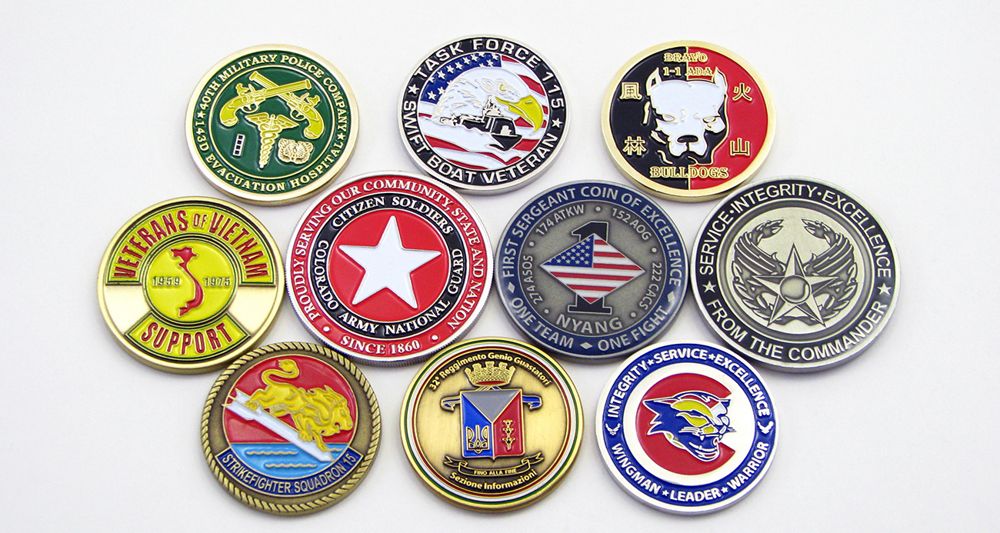
The journey from design to production involves stringent quality assurance measures. Every coin undergoes rigorous testing to ensure durability, accuracy, and clarity of design. In high-end commemorative coin production, attention is given to every minute engraving and relief detail to maintain a level of excellence that is expected from premium mints.
Quality checks are conducted at multiple stages-from the initial prototype to the final finish. Each coin is examined under magnification; parameters like weight, dimensions, and surface details are precisely measured against industry standards. This meticulous process ensures that every coin not only meets but exceeds the expectations of collectors and recipients.
As a result, the emphasis on quality translates directly into market reliability. Coins that are crafted with precision in both design and production tend to maintain their collector value. This commitment to excellence builds trust with consumers who value both the artistic and tangible aspects of these commemorative pieces.
Ensuring Longevity with Careful Material Selection
The durability of a commemorative coin is influenced by the choice of materials used. Mints select high-quality alloys that are resilient and resistant to the rigours of time, ensuring that the coin’s surface details remain intact for years to come. Often, these materials are chosen for both their visual appeal and their longevity in varying environmental conditions.
The finishing processes further enhance the lifetime of the coin. Techniques such as lacquering, plating, or applying a protective patina are part of the standard procedure. These measures guard against scratches and tarnish, preserving the coin’s aesthetic quality while also making it a durable piece of art.
Click here for more Why Custom Keyrings Are a Common Branded Giveaway